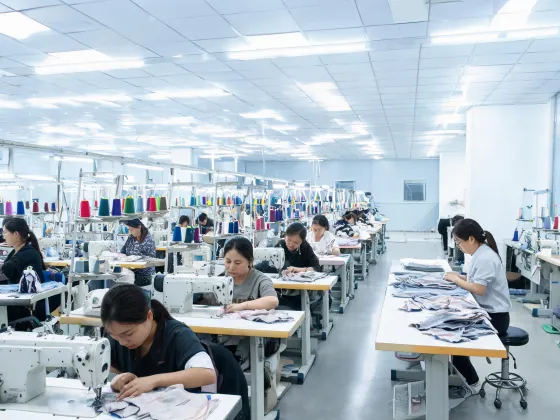
Apparel and garment production
Shirts, uniforms, sportswear, denim, and knitwear require stable stitch formation, balanced feed, and workstations that help operators move fabric quickly without losing seam appearance.

Industrial sewing applications are not interchangeable. A shirt line, an automotive seat cover cell, a leather bag workshop, and a promotional embroidery department may all ask for JUKI, yet each one needs different feed behavior, attachments, operator pacing, and maintenance priorities.
Shirts, uniforms, sportswear, denim, and knitwear require stable stitch formation, balanced feed, and workstations that help operators move fabric quickly without losing seam appearance.
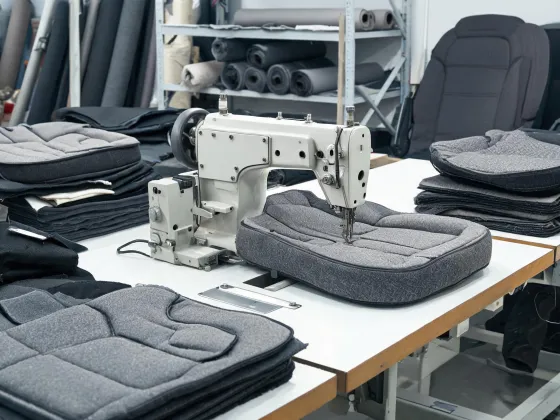
Seat covers, trim panels, and interior components place more emphasis on layered material transport, controlled needle penetration, and durable seam consistency under tension.
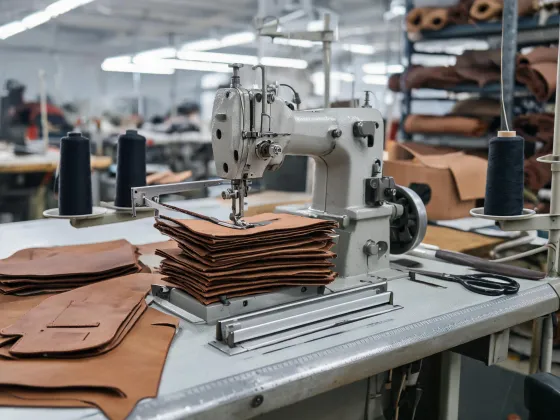
Dense assemblies benefit from machine choices that address presser lift, thread size, foot control, edge guidance, and the repeated turning motions common in bag construction.
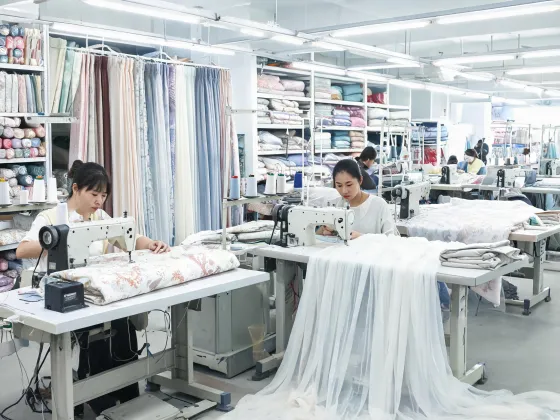
Curtains, bedding, cushions, and soft furnishings require space-aware workstations, seam repeatability on large panels, and finishing equipment that handles long fabric runs.
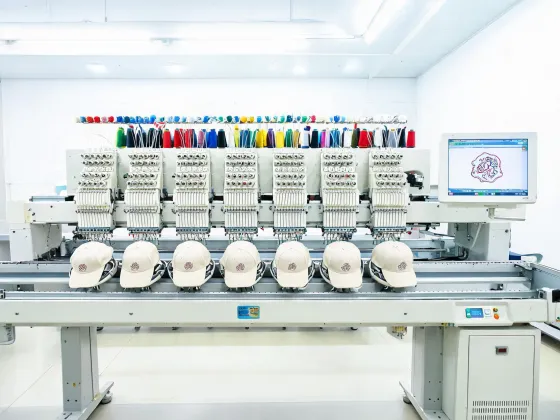
Branded caps, patches, logos, and teamwear depend on embroidery preparation, hoop stability, thread sequencing, and machine coordination across repeat jobs.
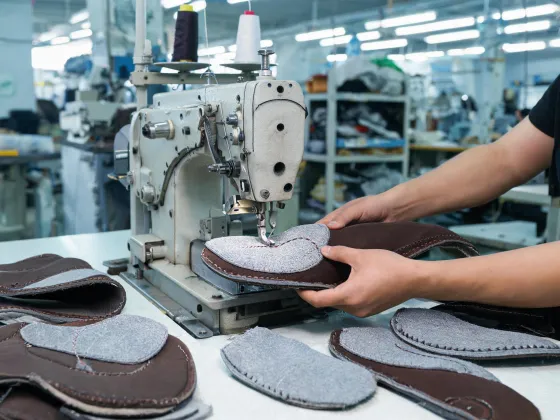
Upper stitching and reinforced textile parts call for careful machine selection because curved seams, thick joins, and repeat strength requirements expose weak material handling quickly.
A productive recommendation weighs stitch type, fabric surface, thickness changes, seam visibility, run length, operator experience, and expected service access. For a lightweight woven apparel operation, the deciding factor may be speed control and seam appearance. For upholstery or leather goods, feed authority and presser behavior may matter more than top speed. For embroidery, pattern preparation and thread management become part of the same equipment decision. JUKI application guidance helps buyers make those differences explicit, which reduces the risk of purchasing a machine that looks correct in a catalog but struggles on the actual job.
Best suited for straight seams, topstitching, assembly operations, and high-repeat apparel work where operators need predictable speed and familiar handling.
Used when layered fabrics, vinyl, leather, canvas, or upholstery materials require stronger transport and more controlled movement through the needle area.
Chosen for edge finishing, stretch seams, hems, knitwear, and production lines where clean edges are tied directly to throughput and rework control.
Applied when decoration quality depends on pattern digitizing, hooping accuracy, thread color management, and stable multi-head operation.
Send your fabric type, seam class, product category, and output target so JUKI guidance can focus on machines that match the production reality.
Request Application Match