Mechanics tuned to material
Needle bar motion, feed system behavior, presser control, and thread path stability establish the foundation for consistent sewing.

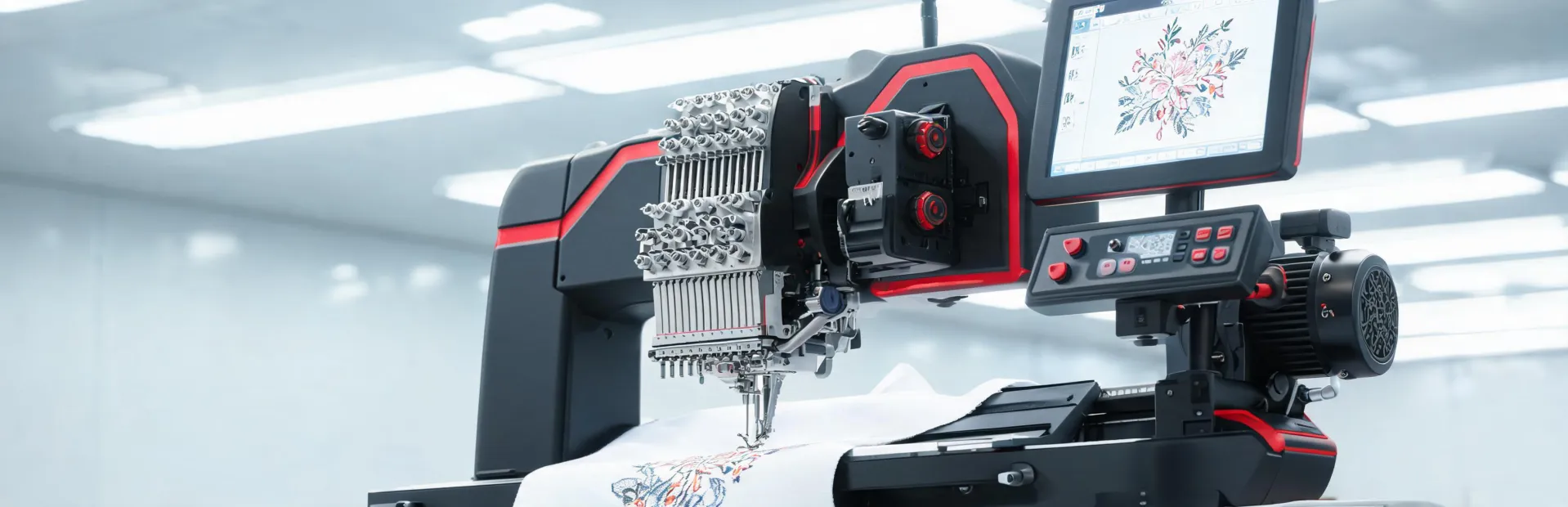
JUKI equipment intelligence is built for sewing rooms that need predictable results. The focus is machine control, repeatable setup, embroidery data, and service information that help supervisors make consistent decisions.
JUKI technology starts with the visible stitch but extends into the decisions around that stitch: speed limits, feed behavior, thread handling, operator setup, embroidery pattern preparation, and service notes. A buyer comparing machines should ask how quickly a new operator can repeat a seam, how supervisors document the correct setting, and how the service team sees recurring issues. Those questions make technology practical because they connect machine controls to measurable production outcomes.
Needle bar motion, feed system behavior, presser control, and thread path stability establish the foundation for consistent sewing.
Servo response, panel settings, speed limits, and soft-start behavior help teams train operators without sacrificing quality targets.
Embroidery patterns, job references, maintenance notes, and troubleshooting records become easier to share across shifts and locations.
Thread breaks, skipped stitches, rework causes, and service interventions inform future machine setup and application selection.
Machine tuning supports consistent seam formation when fabric weight, thread size, or operator pace changes during production.
Setup focusDigital job planning reduces avoidable stops by clarifying thread order, stitch density, hoop selection, and design placement.
Data focusPanel settings and speed control help supervisors translate process knowledge into a setup operators can repeat.
Training focusNeedle issues, feed adjustments, cleaning routines, and parts replacement can be discussed against the exact machine role.
Uptime focusThe technology conversation includes more than software. Pattern teams need clear embroidery requirements, operators need simple setup references, mechanics need visible adjustment histories, and buyers need confidence that the recommended machine family can be supported. JUKI distributor discussions bring those roles together so a technology feature is evaluated by the job it improves rather than by a brochure label.
Prepare embroidery files, stitch density, thread sequence, and placement notes before production begins.
Use speed limits, panel references, and workstation cues to repeat the approved sewing condition.
Track symptoms such as thread breaks, skipped stitches, knife wear, or feed marks against service actions.
Compare machine capability, service access, and distributor support against the intended production role.
Share your machine category, stitch requirement, fabric stack, and current pain point so JUKI guidance can focus on practical controls and workflow details.
Request Technology Review